Column · @zanderzoiy388
How a Southern Restaurant Creates Warm, Welcoming Vibes
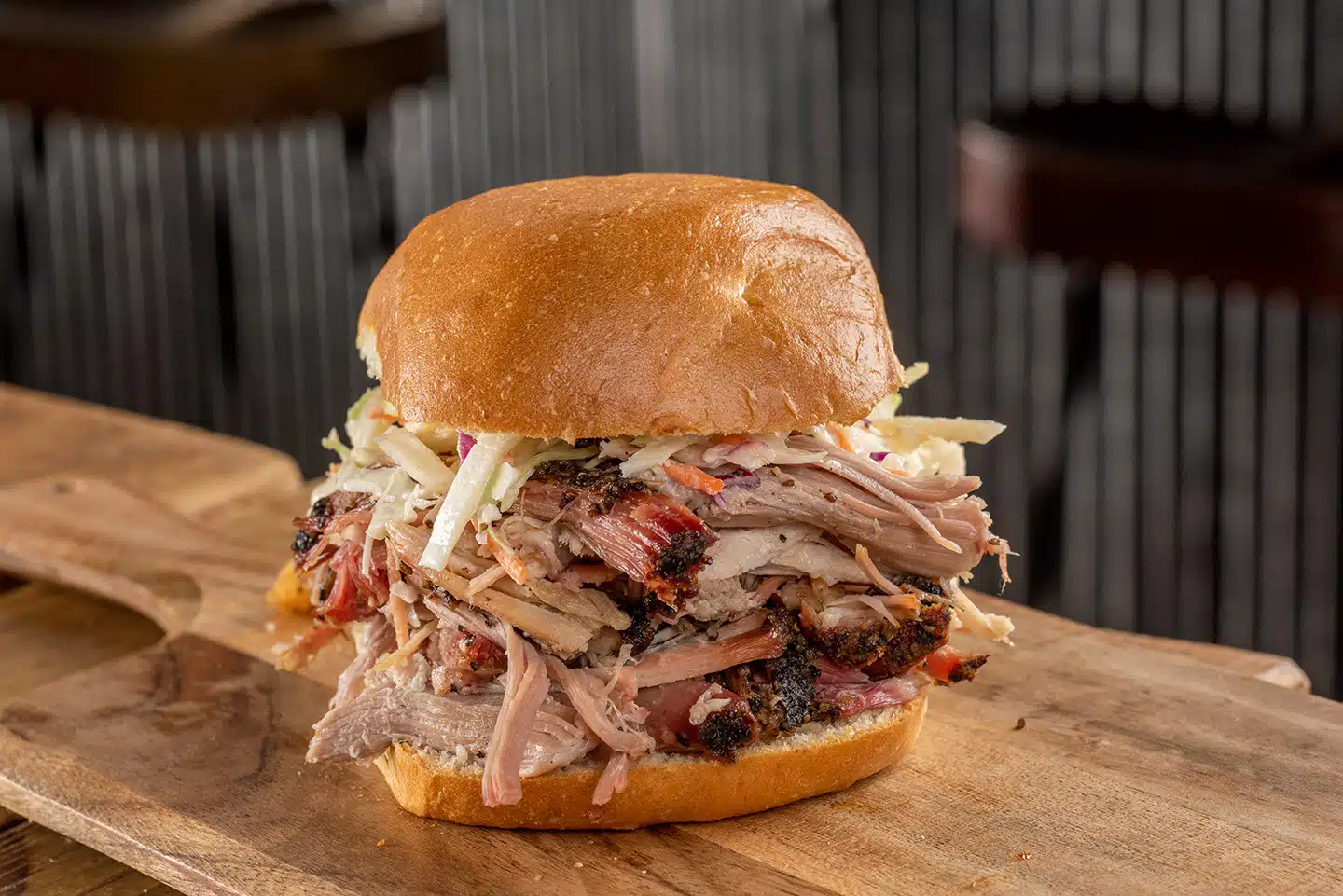
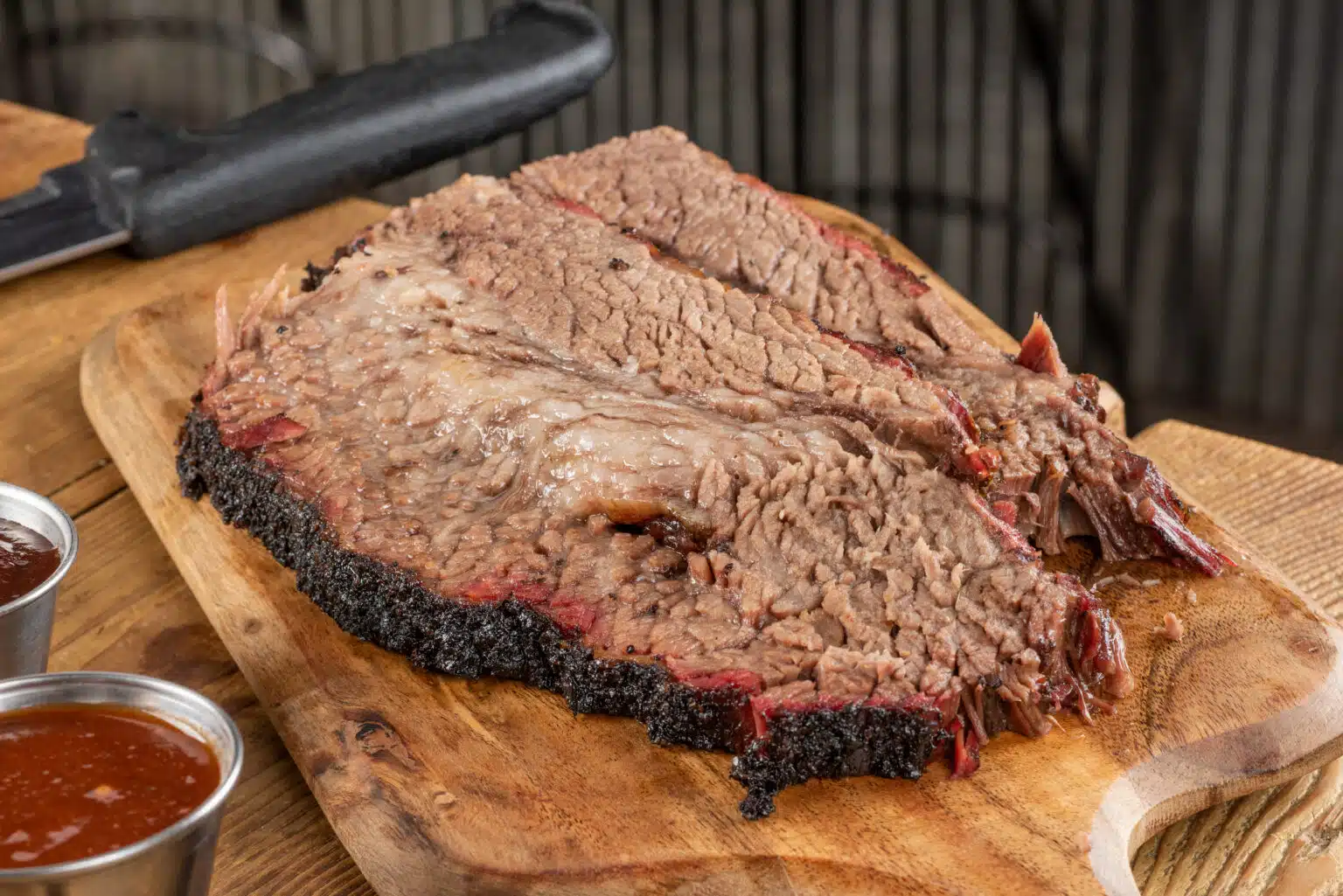
A warm restaurant is never warm by accident. Guests feel it before they can explain it. They notice it in the way the host looks up and smiles instead of pointing at a screen. They notice it when the dining room carries the sound of conversation rather than the clatter of stress. They notice it when the food arrives with a little pride behind it, as if someone in the kitchen still believes that a plate can comfort a person after a hard day.
A Southern restaurant lives or dies by those details.
People often talk about Southern hospitality as if it were a decorative layer, something added after the menu is written and the furniture is delivered. In practice, hospitality is the operating system. It shapes the room, the pace of service, the language staff use, the dishes chosen for the menu, even the way the check is dropped at the end of the meal. If any one of those pieces feels cold, rushed, or performative, the whole experience loses its center.
The best Southern restaurants understand a simple truth: welcome is something guests can feel in their bodies. They settle into the chair differently. They speak more softly. They linger over dessert. They come back with cousins, coworkers, and grandparents. That response is not created by nostalgia alone. It comes from deliberate choices made every day.
Warmth starts before the first bite
Most guests decide how they feel about a restaurant within the first minute or two. That judgment is rarely verbal. It happens on a gut level. Is there a place to stand without feeling in the way? Does someone acknowledge me quickly? Is the dining room lively, or loud in a punishing way? Does the room smell like food I want to eat, or like bleach and fryer oil?
A Southern restaurant that feels genuinely welcoming usually gets the arrival sequence right. The entry is visible and easy to understand. The host stand does not function like a checkpoint. Staff members greet guests with direct eye contact and enough personality to sound like people, not scripts. Even when there is a wait, the restaurant makes the delay feel managed rather than chaotic.
That distinction matters. A ten minute wait feels very different from a ten minute drift. If guests hear, “We’re turning a table for you now, and I’d love to get you seated near the windows if you don’t mind a walterspgh.com Southern restaurant few minutes,” they feel cared for. If they are left staring at the podium while servers rush past with no acknowledgment, the warmth drains away before the first biscuit hits the table.
Southern restaurants often serve families, church groups, regulars, travelers, and solo diners in the same service window. Each of those guests arrives with slightly different needs. A warm restaurant trains the front door team to read the room quickly. The family with two tired children needs speed and reassurance. The couple on a date wants a little softness and space. The older regular wants to feel recognized, not processed. Hospitality begins with that kind of judgment.
The room should soften people, not impress them
Design matters, but not in the way many operators think. A Southern restaurant does not need expensive finishes to feel inviting. It needs proportion, comfort, and clarity. A room can be beautiful and still feel inhospitable if the chairs pinch, the lights glare, or every surface throws back noise.
Some of the most successful dining rooms I have seen use modest materials with confidence. Wood tones help. Upholstered booths help if they are maintained well. Lighting should flatter faces and food. Guests are more relaxed under warm, layered light than under bright overhead fixtures that make every table feel exposed. Sound control matters just as much. Conversation is one of the main products a restaurant sells, and a room that forces people to shout undercuts the idea of welcome.
A Southern restaurant also benefits from a sense of local truth. That does not mean covering the walls in clichés. Guests can tell when “Southern” has been reduced to mason jars and distressed signs. Real atmosphere comes from restraint and coherence. A framed family photo wall, a shelf of regional cookbooks, pine floors that have aged honestly, a bar back built from local wood, these choices feel rooted rather than staged.
Scent is another part of the room, even if operators rarely discuss it openly. Warm cornbread, smoked ham, roasted chicken, coffee, butter, black pepper, baked fruit, these aromas create appetite and memory. Harsh cleaning smells and stale grease do the opposite. A Southern restaurant that feels welcoming keeps the dining room clean without stripping away the comforting cues of the kitchen.
Service has to feel personal, even at volume
Hospitality sounds romantic until the dining room is full and six tables are sat at once. That is where the best Southern restaurants separate themselves. They do not just value friendliness. They build systems that protect it.
A warm service style depends on timing, staffing, and training. If servers are stretched too thin, they stop sounding warm no matter how kind they are by nature. If the kitchen fires erratically, servers become apologetic messengers instead of confident guides. If managers only appear when something goes wrong, the whole dining room tightens up.
Good Southern service often includes a small amount of conversational ease, but it should never slip into intrusion. There is a fine line between being welcoming and becoming overly familiar. Experienced staff know how to read appetite for conversation. Some guests want to hear about the pimento cheese recipe or the peach cobbler that just came out of the oven. Others want efficiency and privacy. Warmth means respecting both.
Language matters more than people think. Compare “Are you still working on that?” with “Can I clear these whenever you’re ready?” The second phrasing preserves the guest’s comfort. Compare “We’re out” with “We sold through the fried green tomatoes tonight, but the kitchen has a beautiful plate of field peas and okra right now.” One closes a door, the other opens a different one. Southern hospitality often lives in these tiny turns of phrase.
The strongest teams also understand that regulars should be recognized without making newcomers feel invisible. That balance takes practice. A regular enjoys hearing, “Good to see you again, your usual sweet tea?” A first time guest enjoys seeing that kind of care and imagining they might receive it too one day.
The menu should offer familiarity with intention
Warm, welcoming restaurants do not confuse hospitality with excess. Bigger is not always kinder. Endless choices can make people anxious, especially in group settings where everyone is trying to decide quickly. A Southern restaurant tends to feel most generous when the menu is focused, legible, and confident.
Familiar dishes do a lot of emotional work. Biscuits, braised greens, shrimp and grits, fried chicken, cornbread, banana pudding, collards, stewed okra, country ham, black eyed peas, these foods carry memory for many guests. But memory alone is not enough. If the dishes arrive dry, over salted, or careless, the emotional promise of the menu turns into disappointment. A warm restaurant honors expectation with craft.
That often means paying attention to details that never appear on the printed menu. Butter should be spreadable. Gravy should be hot enough to comfort, not lukewarm from sitting in a window. Greens need pot liquor with depth, not just salt. Macaroni and cheese should hold together on Southern restaurant the fork without congealing into a block. Desserts should look like someone in the building actually wanted them to be eaten.
A Southern restaurant can absolutely be modern, but the menu should not feel like it is arguing with the guest. When chefs reinterpret classics, they need to preserve the soul of the dish. A smoked turkey neck stock in the lima beans can be a thoughtful update. Turning cornbread into a tiny architectural sculpture that tastes sweet and dry is another matter. Guests forgive many things when they feel cared for, but they rarely forgive a restaurant for making familiar food feel joyless.
One practical test works well: if a table includes a grandparent, a teenager, and a business traveler from out of town, can all three find something they feel good ordering? If the answer is yes, the menu is probably doing its job.
Comfort requires consistency, not just charm
Many restaurants can feel warm on a good night. Far fewer can reproduce that feeling on a rainy Tuesday at 8:40 p.m. When the dishwasher has called out and the fry station is backed up. Consistency is what turns a pleasant meal into trust.
Trust is deeply tied to welcome. Guests relax when they believe the restaurant will take care of them every time, not only when the owner is in the building. That means standards must be simple enough to execute and strong enough to hold. Side work matters. Prep lists matter. Reservation pacing matters. So does the physical condition of the room. A sticky menu, a flickering sconce, or a restroom missing hand towels sends a stronger signal than most operators realize.
Some of the most effective habits are not glamorous:
- Greeting every guest within a few seconds, even during a rush.
- Keeping water, tea, and coffee refills visible and timely.
- Running hot food fast, especially bread and fried items.
- Checking restrooms on a fixed schedule throughout service.
- Teaching managers to touch tables before there is a problem.
None of those steps are novel. That is precisely the point. Warmth is usually built from ordinary discipline. Guests rarely praise a bathroom check or a properly timed biscuit basket, but they feel the cumulative effect of those choices all night long.
Southern hospitality shows up in generosity, not waste
Generosity can be mistaken for oversized portions and endless freebies. Those things can be part of a Southern restaurant’s identity, but they are not the heart of it. Real generosity means the guest feels looked after.
Sometimes that is a server splitting a wedge of pie in the kitchen because two friends want just a taste. Sometimes it is offering to bring a child’s meal out early. Sometimes it is noticing that an elderly guest would be more comfortable in a chair with arms than on a backless stool at the bar. These acts cost little, but they carry enormous emotional weight.
At the same time, a professional restaurant must protect margins. Hospitality that ignores the economics of the business is not sustainable, and guests can feel that strain when corners start getting cut. The art lies in choosing moments of generosity that matter. Sending an extra biscuit basket to every table may train guests to expect waste. Sending one to a delayed table with a sincere apology can recover the entire experience.
This is where managerial judgment becomes crucial. The most trusted floor managers know when to comp a dessert, when to expedite a side, when to reseat a table, and when a simple honest conversation is enough. Warmth is not about saying yes to everything. It is about making guests feel heard, respected, and treated fairly.
Staff culture is the hidden source of guest comfort
Guests can sense very quickly whether the team likes working in the building. They may not know why they sense it, but they do. A tense staff creates a tense room. A respected staff creates a relaxed one.
Southern hospitality directed outward depends on hospitality directed inward. If employees are shouted at in the kitchen, if schedules are posted carelessly, if new hires are thrown onto the floor without support, the result shows up in service. Nobody can fake warmth for long under those conditions.
The best Southern restaurants invest in practical dignity. Family meal is decent, not leftover scraps. Training includes not just mechanics but values. Employees are taught how to carry plates, describe specials, and course a table, but also how to recover a mistake without defensiveness. Managers back the team publicly and coach privately. That structure gives staff the confidence to be generous.
I have seen restaurants change their guest experience dramatically just by fixing pre shift. Instead of a frantic five minute recitation of 86’d items, a strong pre shift gives the team useful information and emotional direction. Taste the special. Clarify a wine pairing. Share a note about a large birthday reservation. Remind everyone that the dining room includes several elderly regulars tonight, so watch pacing and hearing needs. Those details lead to smoother, kinder service.
A Southern restaurant in particular benefits when staff are encouraged to bring some genuine personality to the floor. Guests do not want a theatrical performance of charm. They want to interact with people who seem comfortable in their own skin.
Food can carry memory, but memory needs a setting
One reason Southern restaurants can feel so welcoming is that the cuisine itself is tied to home, family, and ritual for many diners. Sunday supper, holiday pies, cast iron skillets, church potlucks, summer tomatoes, simmering beans, all of these associations matter. But food memory is fragile. If the setting feels rushed or impersonal, the emotional resonance weakens.
This is why pacing matters so much. A basket of biscuits dropped at the wrong time can be as ineffective as no biscuits at all. If appetizers, entrées, and dessert all land in rapid succession, the meal feels transactional. Guests need room to enjoy abundance. They need a beat to pass plates, comment on the fried chicken crust, decide whether there is any chance of saving room for cobbler.
Welcoming Southern restaurants protect that rhythm. They know how to move quickly without making people feel hurried. Lunch may be brisker than dinner, but it should still feel composed. Brunch, especially, requires careful management because guest expectations often conflict. Some want celebration. Some want recovery. Some want a fast meal before errands. The room has to absorb all of that.
The details that guests remember on the drive home
By the time people leave a Southern restaurant, they rarely remember every ingredient on the plate. They remember how the evening felt. They remember whether the iced tea was refilled before they had to ask. They remember whether the host thanked them as they left. They remember whether the server handled the allergy question with confidence. They remember whether dessert felt like an afterthought or a final gesture of care.
Several details tend to linger longest in memory:
- The quality of the greeting at the door.
- Whether the food felt both comforting and well made.
- The pace of the meal, especially during busy hours.
- Small moments of recognition or accommodation.
- The sense that the restaurant was run with pride.
These are not flashy metrics, but they explain why one Southern restaurant becomes a local institution while another remains just another place with fried chicken on the menu.
Why warmth still matters so much
Guests have plenty of places to eat. What they return for is not just flavor. It is relief. It is belonging. It is the pleasure of entering a room where somebody has thought carefully about comfort and then delivered it through a hundred small acts.
A Southern restaurant creates warm, welcoming vibes by aligning everything behind that goal. The room supports conversation. The service feels attentive without crowding. The menu offers food with memory and skill. The team works from standards that make kindness repeatable. Management understands that hospitality is not decoration. It is the job.
When all of that comes together, people do not simply enjoy the meal. They exhale. They stay for another coffee. They bring someone back next week. That is the real power of a warm Southern restaurant. It makes guests feel not only fed, but received.
Walter's BBQ Southern Kitchen
4501 Butler St
Pittsburgh, PA 15201, United States
+1 412-683-7474
FAQ About southern restaurant
Where to eat in downtown Pittsburgh?
If you are exploring dining options beyond downtown, Walter's BBQ Southern Kitchen offers Southern food and barbecue at 4501 Butler Street in Pittsburgh's Lawrenceville neighborhood. It is outside downtown, so allow travel time when planning your visit.
What is a must eat in Pittsburgh?
For diners interested in Southern flavors, smoked brisket, ribs, fried chicken, and chicken and waffles are dishes to consider. Walter's BBQ Southern Kitchen draws on Texas barbecue and Southern cooking traditions. Check the current menu for the dishes available during your visit.
What are some of Pittsburgh's unique restaurants?
Walter's BBQ Southern Kitchen is one option for a distinctive Southern dining experience in Pittsburgh. Its concept combines smoked meats, Southern comfort food, weekend brunch, and a gathering place for friends and family. The restaurant is located on Butler Street in Lawrenceville.