Column · @zanderzoiy388
Why Every Food Lover Should Visit a Southern Restaurant
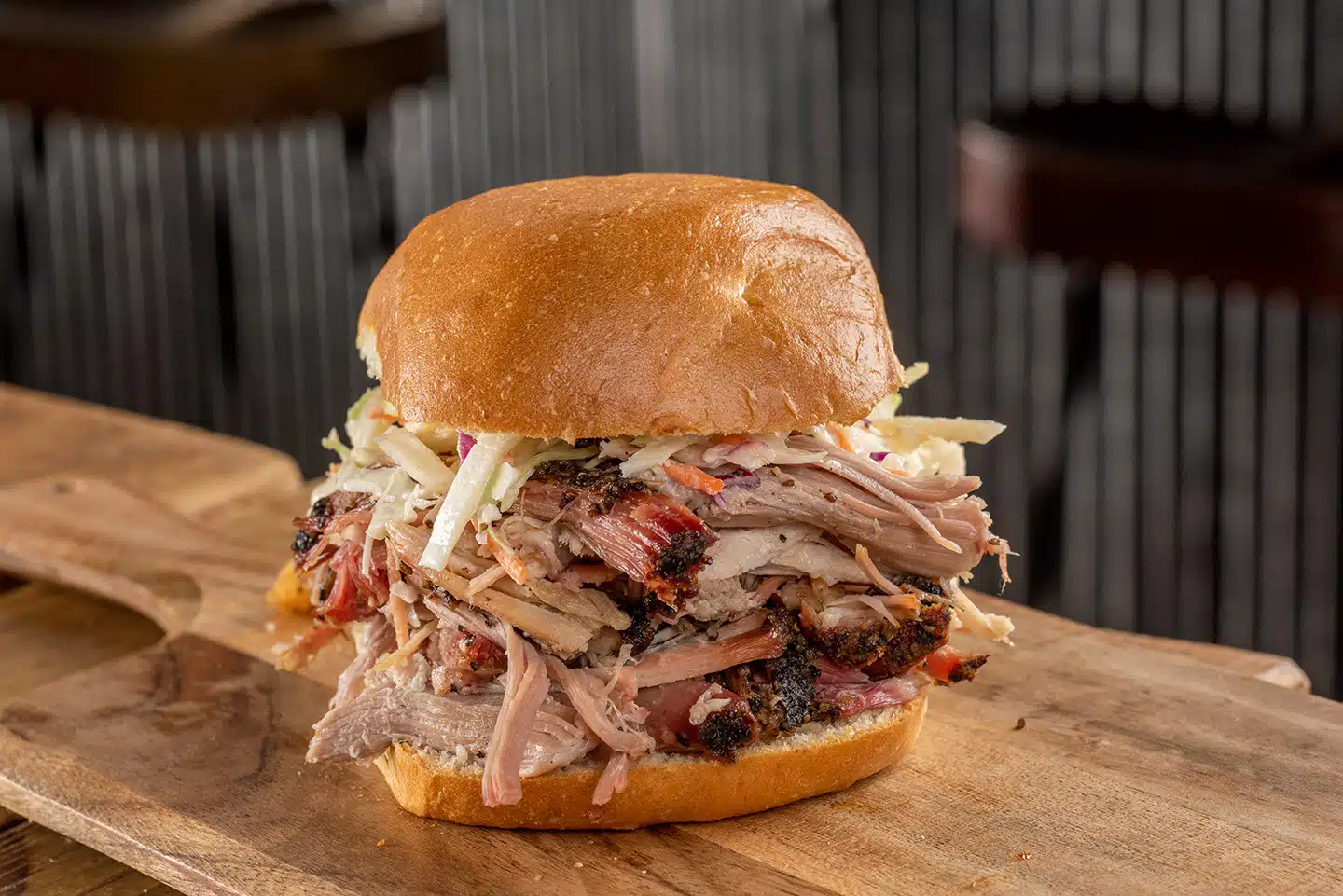
There are meals you enjoy, and there are meals you remember years later because something about them settled deeper than taste alone. A Southern restaurant, at its best, belongs in the second category. The food is only the beginning. What draws people back, whether they grew up in the region or are visiting for the first time, is the way Southern dining turns a meal into an atmosphere. It is generous without being showy, rooted without feeling stale, and deeply satisfying in a way many modern dining experiences struggle to match.
Food lovers tend to chase novelty. They book the tasting menu, seek out the latest chef-driven opening, and hunt down ingredients they cannot pronounce. There is nothing wrong with that. Curiosity is part of eating well. But a serious appreciation of food also requires respect for places that have spent generations refining comfort, hospitality, balance, and craft. That is exactly what a strong Southern restaurant offers.
The South has never been a single flavor profile, and that is part of the point. The food traditions of Charleston do not mirror those of Nashville. Coastal Georgia does not eat exactly like rural Mississippi. Louisiana stands in a category all its own, shaped by French, Spanish, African, Caribbean, and Native influences. Texas adds another current, especially in smoke and beef. Yet when people speak about Southern food, they are usually describing a recognizable spirit. They mean cooking with memory, cooking with resourcefulness, and cooking that understands texture, seasoning, and abundance.
It teaches you what comfort food can really be
The phrase "comfort food" gets thrown around so casually that it has started to lose meaning. Too often it is used to excuse heavy food that is one-note, greasy, or lazy. Real comfort food is more disciplined than that. It has richness, yes, but also contrast. A plate of fried chicken matters because the crust shatters against juicy meat. Shrimp and grits work because creamy, savory, and briny elements all show up at once. Biscuits only deserve reverence when they are tender, layered, and substantial without turning dense.
A well-run Southern restaurant understands that comfort is built through detail. The greens need acid to keep them alive. The mac and cheese needs structure, not just melted cheese for its own sake. Cornbread should reflect the kitchen's point of view, maybe a little sweeter, maybe closer to a skillet-baked crumb with a deep crust, but it should never feel like an afterthought. Even the simplest side dish, field peas, stewed okra, butter beans, roasted sweet potatoes, can reveal whether the kitchen knows what it is doing.
That level of attention surprises people who associate Southern food with excess alone. A memorable meal in the South is rarely just rich. It is calibrated. The pickles cut through the smoke. Hot sauce sharpens the fat. A spoonful of chow-chow or pepper vinegar changes the entire plate. These are not decorative touches. They are part of the architecture of the meal.
I have seen diners who insist they are "not really into Southern food" change their tune halfway through dinner. Usually it happens after they taste something familiar done properly for the first time. Biscuits arrive hot enough to steam when split open. Pimento cheese tastes sharp and alive instead of dull and refrigerated. Banana pudding has actual balance, with vanilla, cream, fruit, and texture instead of just sweetness. Good Southern cooking has a way of correcting low expectations.
The best Southern restaurants carry history in plain sight
One reason food lovers should make room for a Southern restaurant on their itinerary is that the cuisine tells the story of America more honestly than many people realize. It is impossible to understand Southern food without understanding migration, agriculture, enslavement, poverty, celebration, church suppers, Sunday dinners, fishing communities, and family improvisation in hard times. That may sound heavy for a dinner reservation, but in practice it means the food has depth, not just flavor.
So many iconic dishes came from necessity. Tough cuts were braised because they had to be. Greens were simmered because they were available, filling, and nourishing. Rice traditions flourished where coastal conditions allowed. Corn became a staple in countless forms. Preservation mattered, so pickling, curing, smoking, and canning became part of daily life. What some diners now treat as nostalgic luxury often started as practical cooking under pressure.
A thoughtful Southern restaurant does not need to lecture you to communicate this history. It comes through in the menu, in the sourcing, in the names of dishes, and in the confidence of recipes that have survived because they earned their place. You can feel it in a bowl of gumbo that has patience behind it, in barbecue that took all night, in a pie recipe that did not come from trend forecasting but from somebody's grandmother, aunt, or neighbor.
For food lovers, that matters. Restaurants are not just places to eat. They are living archives. When a chef preserves a regional preparation instead of flattening it into generic "comfort food," the diner gets something increasingly rare: a meal with lineage.
Hospitality is part of the flavor
There is a reason people talk about Southern hospitality even when the phrase feels overused. In a good Southern restaurant, hospitality is not a slogan. It is operational. It affects pacing, portioning, service style, and the way the room makes you feel.
Servers in these places often know how to read a table. They can move with warmth without becoming theatrical. They understand that hospitality is not hovering. It is noticing when glasses are low, when an extra side plate would help, when the table is deciding between two desserts and should probably be told, honestly, that one is much better tonight than the other.
That honesty is underrated. In polished Southern dining rooms and in no-frills institutions alike, the best service tends to feel personal rather than transactional. You are not being "managed." You are being looked after. For many food lovers who spend time in trend-forward restaurants, that can be refreshing. Precision matters, but so does ease.
There is also a practical dimension. Southern meals are often meant to be shared, passed around, discussed. Sides are central, not incidental. Appetizers can become the meal if the table orders intelligently. A server who understands the menu can shape the whole experience by steering guests toward the right spread instead of simply pushing the most expensive items.
If you care about dining as a full experience, not just a sequence of plates, a Southern restaurant gives you a lot to pay attention to.
Regional variation keeps the cuisine interesting
One mistake outsiders make is treating Southern food as a single menu. It is not. That alone makes it worth exploring repeatedly. A food lover could spend years visiting different Southern restaurants and still keep discovering new specialties, techniques, and ingredient traditions.
In the Lowcountry, you may find dishes centered on shrimp, oysters, blue crab, rice, and benne. In Tennessee, hot chicken brings heat and crunch into a format that has now traveled far beyond its home, often badly imitated. In Louisiana, a restaurant may move between étouffée, boudin, dirty rice, and bread pudding with a fluency that reflects overlapping culinary worlds. In North Carolina, barbecue itself becomes a lesson in fierce local preference, especially once sauce enters the conversation. In Appalachia, beans, cornbread, country ham, chow-chow, and seasonal produce carry a different rhythm, one tied closely to mountain life and preservation.
That diversity means a Southern restaurant is never just one thing. Some are refined and linen-draped. Some are built around smoke pits and counter service. Some specialize in breakfast and brunch. Others shine brightest at Sunday supper. What links them is not format but a shared respect for ingredient-driven, technique-conscious, emotionally resonant cooking.
For travelers, this is especially rewarding. If you visit New Orleans and then Atlanta and then Charleston and expect the same meal in each city, you are missing the pleasure. The point is the differences. Even within the same state, two restaurants may disagree sharply on what counts as proper grits, proper slaw, or proper fried fish. Those disagreements are not flaws. They are signs of a living food culture.
Fried food is only the surface
People who have never spent real time with Southern cuisine often reduce it to frying. Fried chicken, fried green tomatoes, fried catfish, fried okra, hush puppies. All of that can be excellent, and when done right it showcases serious technique. Temperature control, dredge composition, seasoning timing, and oil management separate good frying from bad very quickly.
But focusing only on fried dishes misses the larger picture. Southern cooking is also about braising, pickling, smoking, stewing, baking, grilling, and slow reduction. It can be bright, vegetal, and unexpectedly elegant. A plate of sliced summer tomatoes with a little salt and mayo on white bread says something essential about Southern eating. So does a bowl of black-eyed peas cooked until creamy but still distinct. So does smoked mullet dip, she-crab soup, or a peach cobbler that tastes of fruit first and sugar second.
Some of the best bites in a Southern restaurant are not the obvious centerpieces. They are the little calibrations around them. The stewed greens with pot liquor that carry smoke and bitterness and depth. The spoonbread that lands somewhere between corn pudding and soufflé. The pepper jelly with just enough heat to wake up biscuits or fried oysters. The sliced cucumbers that cool the whole meal down.
When a cuisine has developed over generations, its subtler strengths often matter most. That is certainly true here.
The side dishes can outshine the main course
A food lover should visit a Southern restaurant at least once with one strategy in mind: pay as much attention to the sides as to the entrée. In many cuisines, sides feel decorative. In Southern cooking, they often carry the soul of the kitchen.
A plate of barbecue might be excellent, but the collards tell you whether the cooks understand patience. Mashed potatoes may be pleasant, but the lima beans or butter beans reveal whether someone in the kitchen respects texture. Baked macaroni and cheese can look impressive while tasting flat. Corn pudding can sound humble and end up unforgettable.
If you want a quick read on a Southern restaurant, the following are often revealing:
- Biscuits
- Greens
- Mac and cheese
- Cornbread
- Banana pudding
These dishes are common enough that there is nowhere to hide. A kitchen can dress up shrimp or steak with luxury ingredients and still miss the point. But dry biscuits, muddy greens, or bland pudding expose carelessness instantly.
That is one reason repeat diners become loyal to certain places. Once you find a Southern restaurant that gets the small things right, trust grows quickly. You start ordering more broadly because the kitchen has already proven its standards.
It respects abundance without confusing it for quality
Portion size is part of the Southern dining reputation, and for good reason. Generosity at the table runs deep in the region. Plates can arrive full, and family-style service often encourages a sense of plenty. But the best Southern restaurants know abundance is not the same thing as excess.
This distinction matters more than people think. A large serving is only enjoyable if the flavors remain clear and the meal has balance. A restaurant that simply heaps food onto a plate may satisfy hunger, but it does not create a memorable experience. A better Southern restaurant gives you enough to feel cared for while keeping standards high. The crust stays crisp. The gravy stays seasoned. The vegetables are not boiled past their purpose. Dessert feels earned rather than obligatory.
That balance reflects confidence. Kitchens that know their identity do not need to overwhelm guests to make an impression. They can serve a composed plate of trout with grits and greens, or a restrained bowl of gumbo, and trust that flavor will do the talking.
There is also a financial angle food lovers appreciate. Southern restaurants often deliver strong value, especially compared with concept-driven urban dining rooms where style can outpace substance. Even at higher price points, diners tend to leave feeling they received something tangible for their money: craft, warmth, and satiety.
Southern desserts understand restraint better than critics assume
If you grew up hearing jokes about Southern sweets, you might expect every dessert to be overwhelmingly sugary. Some are sweet, no question. This is not a cuisine afraid of pleasure. But the better desserts know how to modulate richness.
Take banana pudding. In careless hands it becomes gluey and one-dimensional. In a serious kitchen it has texture from wafers, freshness from fruit, lift from whipped topping or meringue, and enough vanilla to round everything out. Peach cobbler should taste like cooked fruit with structure, not syrup. Chess pie needs clarity and a clean finish. Pecan pie works best when the filling does not become cloying and the nuts still contribute bitterness and crunch.
Even cakes, which often arrive in imposing slices, can show surprising finesse. Coconut cake, caramel cake, hummingbird cake, and red velvet all rely on balance if they are going to be more than visual nostalgia. The same goes for bread pudding, especially in the Gulf South, where sauce, spice, and texture must work together.
A food lover who pays attention will notice something else. Southern dessert menus often reveal seasonal intelligence. Berries in late spring. Peaches in summer. Apples in cooler months. Citrus where it makes sense. The old stereotype of heavy, always-the-same Southern sweets ignores how much these kitchens rely on the calendar.
The atmosphere invites slower eating
Some restaurants feel designed to move you through as efficiently as possible. There is a place for that. But a Southern restaurant often rewards a different pace. The food itself asks for it. Shared appetizers, sides for the table, sauces to pass around, stories that emerge when someone tastes a dish from childhood. This is not cuisine built for distracted eating.
That slower rhythm changes the way people interact with the meal. You notice the smell of smoked meat before it arrives. You talk about whether the cornbread is sweet or not. You compare hot sauces. You split dessert even though everyone claimed to be too full. Time stretches a bit.
From a professional standpoint, this matters because dining is sensory memory. The longer and more comfortably you sit with a meal, the more likely it is to imprint. That is one reason so many people can vividly recall specific Southern restaurant experiences from years earlier, down to the texture of the biscuit or the exact shade of the barbecue bark.
Restaurants spend fortunes trying to manufacture memorability through branding, lighting, or gimmicks. Southern places often earn it more quietly, by creating room for the meal to become part of the evening rather than a stop within it.
Not every Southern restaurant is the same, and that is a good thing
It is worth saying plainly that the label alone guarantees nothing. Some Southern restaurants lean too hard on nostalgia and stop evolving. Some oversalt. Some rely on oversized portions to distract from mediocre cooking. Some flatten distinct traditions into a vague, market-tested idea of "Southern comfort." That can happen anywhere, in any cuisine.
The upside is that when you learn what to look for, the truly good places stand out fast. Menus that respect seasonality. Kitchens that treat vegetables seriously. Fried items that arrive crisp instead of greasy. Desserts that taste made in-house. Staff who can explain a dish without sounding rehearsed. Rooms where regulars clearly return for more than habit.
A few signs tend to separate the stronger restaurants from the weaker ones:
- The sides have as much care as the proteins
- The seasoning shows confidence, not blunt force
- Regional references feel specific, not decorative
- Service is warm without being performative
- The menu has tradition, but not stagnation
Those are useful markers because Southern food is vulnerable to cliché. The restaurants worth seeking out are the ones that understand heritage as a living practice. They preserve what deserves preserving, refine what can improve, and avoid stripping dishes of identity just to make them broadly palatable.
Why food lovers keep coming back
The deepest reason every food lover should visit a Southern restaurant is simple. It reminds you what restaurants are for. Not Southern restaurant just to impress, not just to fuel, not just to provide content for a camera roll. A good meal should make you feel more connected, to place, to people, to memory, and to your own appetite.
Southern dining excels at that connection. It is grounded in ingredients people actually care about. It honors labor, from the farmer to the pitmaster to the pastry cook. It understands that generosity and precision can coexist. It gives equal dignity to humble dishes and celebratory ones. And when it is done well, it leaves you with more than fullness. It leaves you with perspective.
Plenty of cuisines offer excitement. Southern food offers something rarer: emotional accuracy. It tastes like history, adaptation, pleasure, and care. That combination is hard to fake and even harder to forget.
For the food lover who thinks they have already seen it all, a great Southern restaurant can be corrective. It can remind you that technical skill does not always arrive dressed in minimalism, that sophistication does not require distance, and that some of the most profound meals still come from traditions built around a crowded table and the expectation that no one should leave hungry.
That is reason enough to go. The second helping is just a bonus.
Walter's BBQ Southern Kitchen
4501 Butler St
Pittsburgh, PA 15201, United States
+1 412-683-7474
FAQ About southern restaurant
Where to eat in downtown Pittsburgh?
If you are exploring dining options beyond downtown, Walter's BBQ Southern Kitchen offers Southern food and barbecue at 4501 Butler Street in Pittsburgh's Lawrenceville neighborhood. It is outside downtown, so allow travel time when planning your visit.
What is a must eat in Pittsburgh?
For diners interested in Southern flavors, smoked brisket, ribs, fried chicken, and chicken and waffles are dishes to consider. Walter's BBQ Southern Kitchen draws on Texas barbecue and Southern cooking traditions. Check the current menu for the dishes available during your visit.
What are some of Pittsburgh's unique restaurants?
Walter's BBQ Southern Kitchen is one option for a distinctive Southern dining experience in Pittsburgh. Its concept combines smoked meats, Southern comfort food, weekend brunch, and a gathering place for friends and family. The restaurant is located on Butler Street in Lawrenceville.